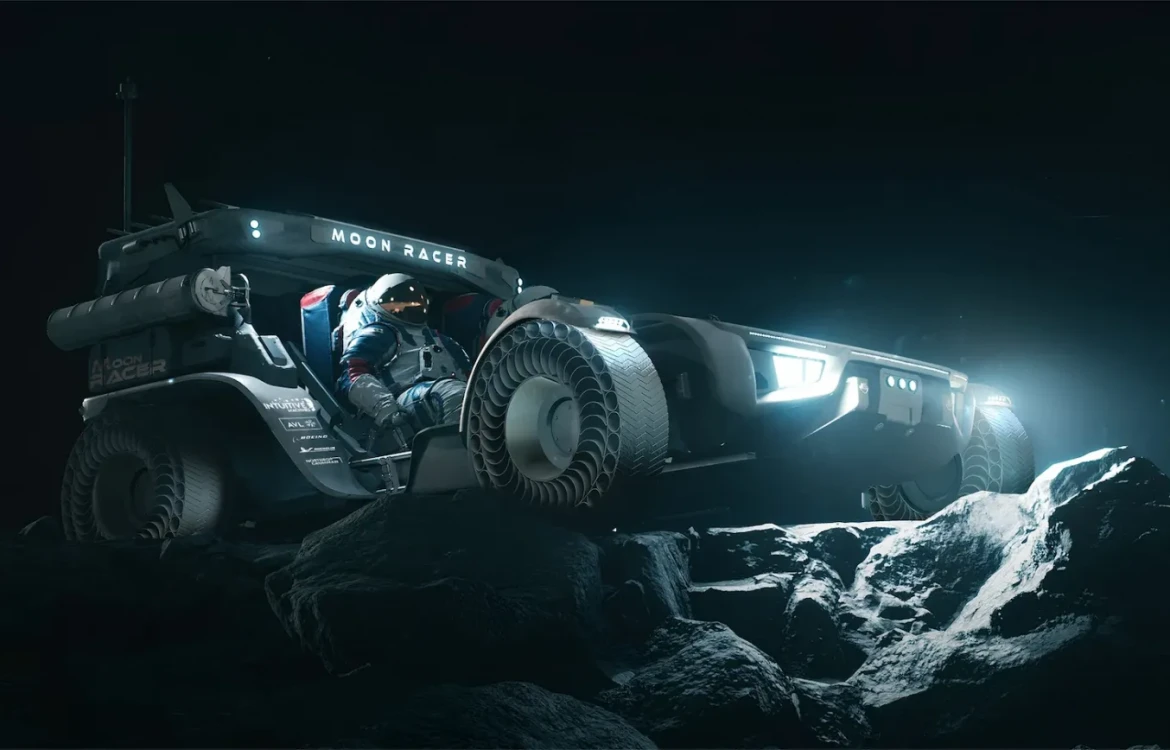

Image Credits: Intuitive Machines
NASA has given three space companies the chance to design the next generation moon buggy — but only one design will go to space. Intuitive Machines, Lunar Outpost, and Venturi Astrolab are developing rugged vehicles intended for astronauts to drive around on the lunar surface, from which NASA may choose as early as next year.
The three teams will now enter into a 12-month “feasibility phase” that will culminate in a preliminary design review. At that point, there will be a subsequent competitive request for proposals, where the trio of companies will compete for a demonstration task order, NASA officials explained during a press conference on Wednesday.
At that point, a final awardee will be selected. The chosen company will be responsible not only for designing the LTV but for launching and landing it on the moon prior to the Artemis V mission, which is currently slated for no earlier than 2029.
NASA declined to specify the dollar value of the awards, though Intuitive Machines said in a statement that it was awarded a $30 million contract. The total potential value of all the task orders over the next 13 years is $4.6 billion.
The three teams are also keeping specifications, like range or battery technology, close to the chest, though NASA specified that the rover would have to have an incredible 10-year lifespan and be capable of carrying two suited astronauts.
Intuitive Machines is leading a team that includes AVL, Boeing, Michelin, and Northrop Grumman; Lunar Outpost is leading the “Lunar Dawn” team that includes Lockheed Martin, General Motors, Goodyear and MDA Space; and Astrolab is joined by Axiom Space and Odyssey Space Research.
The awards are the latest to be doled out to private industry under the agency’s ambitious Artemis program, which seeks to eventually establish a permanent human presence on the moon. But in order to truly explore the surface, astronauts will need something to get around — and it will need to withstand the harsh environment of the lunar south pole, which is known for temperature extreme swings and very long nights.
“Think of it as a hybrid of the Apollo-style lunar rover that was driven by our astronauts and an uncrewed mobile science platform,” NASA’s Johnson Space Center director Vanessa Wyche said.
With the vehicles, astronauts will be able to transport scientific equipment, collect samples from the surface and travel farther than on foot, Jacob Bleacher, NASA’s chief exploration scientist, said. When astronauts are not on the moon, humans will be able to remotely operate the LTV, so it can continue to explore the region and even meet new astronaut crews when they arrive on the surface.
“With NASA’s Artemis campaign, we are building up the capabilities needed to establish a longer-term exploration and presence of the moon,” he said. “Where it will go, there are no roads. Its mobility will fundamentally change our view of the moon.”
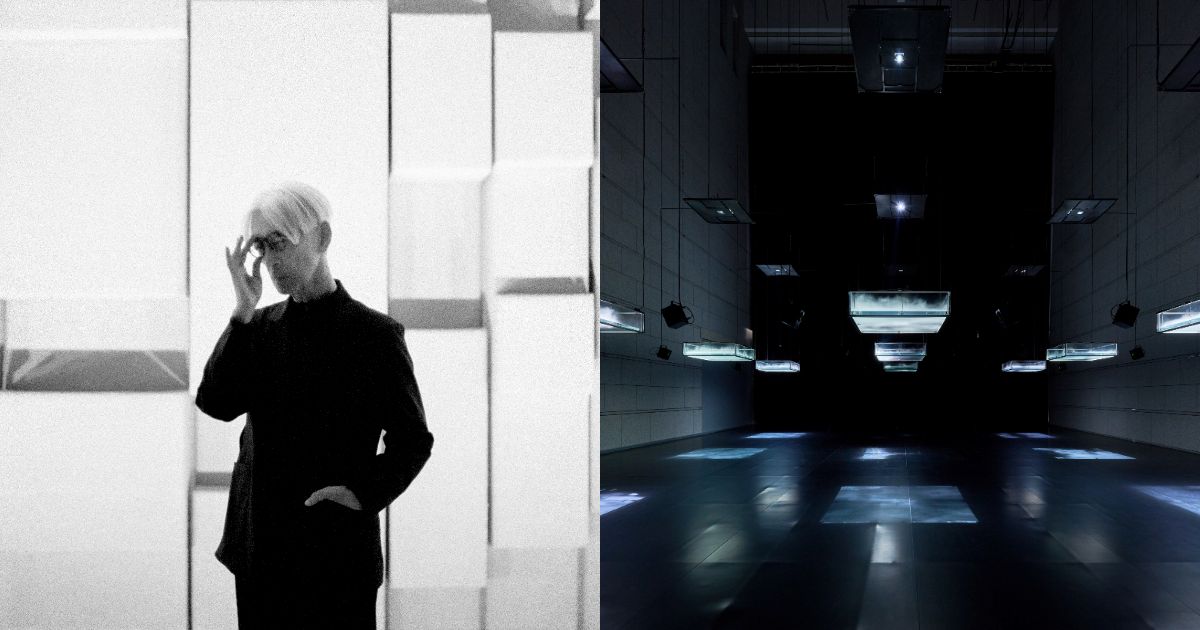
坂本龍一回顧展《觀音.聽時》集結7組大型裝置作品,回望他自2000年代以來的藝術實踐。從聲音、影像到水、霧、電磁波與數位技術,透過與高谷史郎、真鍋大度、阿比查邦等人跨域合作,探索聲音、時間與感知的邊界
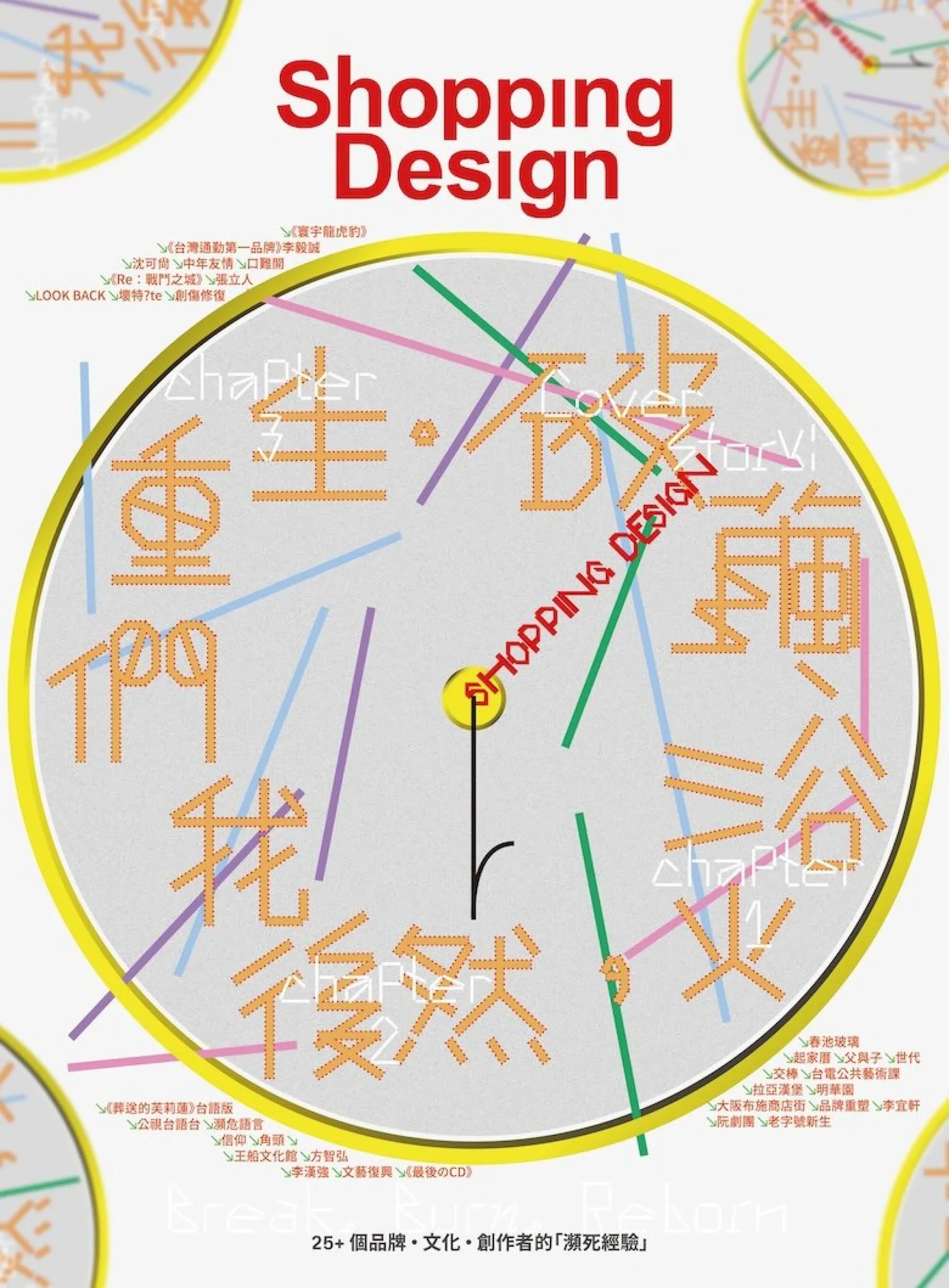
破繭、浴火,然後我們重生 Break, Burn, Reborn 萬物皆有生滅,品牌、文化與創作亦然。當熟悉的運作模式走到盡頭,前方的路看似已被堵死,卻可能藏有翻轉命運的機會牌。 重獲新生的背後,多半伴隨著一段難以言說的「瀕死經驗」。那或許是老字號面臨時代洪流的存亡關頭、是在地文化逐漸失傳的靜默危機,又或是創作者在人生中途撞上的無形高牆。當「不甘願於此止步」的強烈渴望破土而出,面對絕境的覺醒,便成
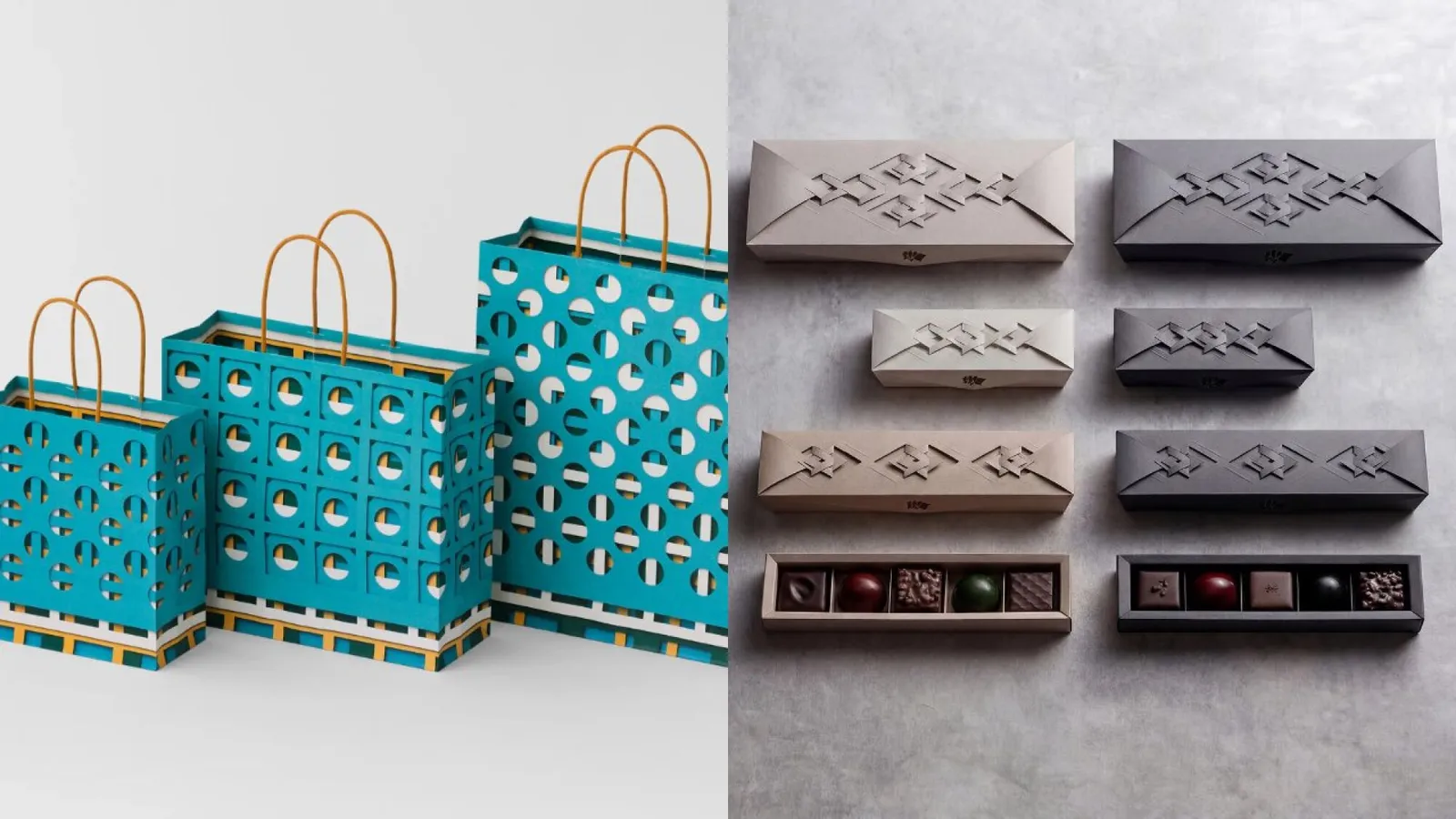
2027 日本包裝設計大賞公布!從老字號百貨購物袋到牛奶糖貓咪包裝,精選 7 件得獎作品,看設計如何運用紙藝、材質與結構,為日常包裝創造新意。
