
The evolution of retail design warrants a study of architectural practice in the digital realm. While physical commercial spaces have been the conventional center of shopping experiences, the emergent frontier of the metaverse—an interconnected network of virtual 3D environments—indicates an important shift in brand-consumer interactions. For architects, this liminal space presents a unique canvas, free from the material constraints that have traditionally molded design ideations.

The metaverse is a new terrain where the architecture of imagination may be fully realized, inviting a reconceptualization of retail design possibilities.
For decades, retail design has focused on crafting experiential spaces that draw in consumers, optimize product presentation, and reinforce brand identities. From the carefully composed displays of upscale boutiques to the efficient layouts of supermarkets, every element of the physical retail environment is purposefully designed to influence shoppers' experiences and behaviors.

The retail landscape has witnessed a shift with the disruptive advent of e-commerce, leading to the gradual erosion of traditional brick-and-mortar establishments. The commodification of convenience by online marketplaces has captivated consumer attention, drawing them away from physical retail spaces. While the digital realm's dominance is an indisputable reality, it often obscures the sentimental bonds and serendipitous sense of exploration enabled by physically engaging retail outlets.
Related Article
Tech, Big Data, and the Future of Retail Design
Within this digital realm, the boundaries between the tangible and intangible become fluid, giving rise to immersive environments that challenge conventional notions of retail engagement. The metaverse presents an opportunity to reimagine the very essence of the consumer journey, blending the tactile allure of physical spaces with the boundless possibilities of virtual realms. The metaverse brings an unexplored technosocial phenomenon that may catalyze the revival of traditional physical retail infrastructures.

By holding space for a confluence of virtual and material touchpoints, this medium holds the potential to reconstruct consumer experiences.
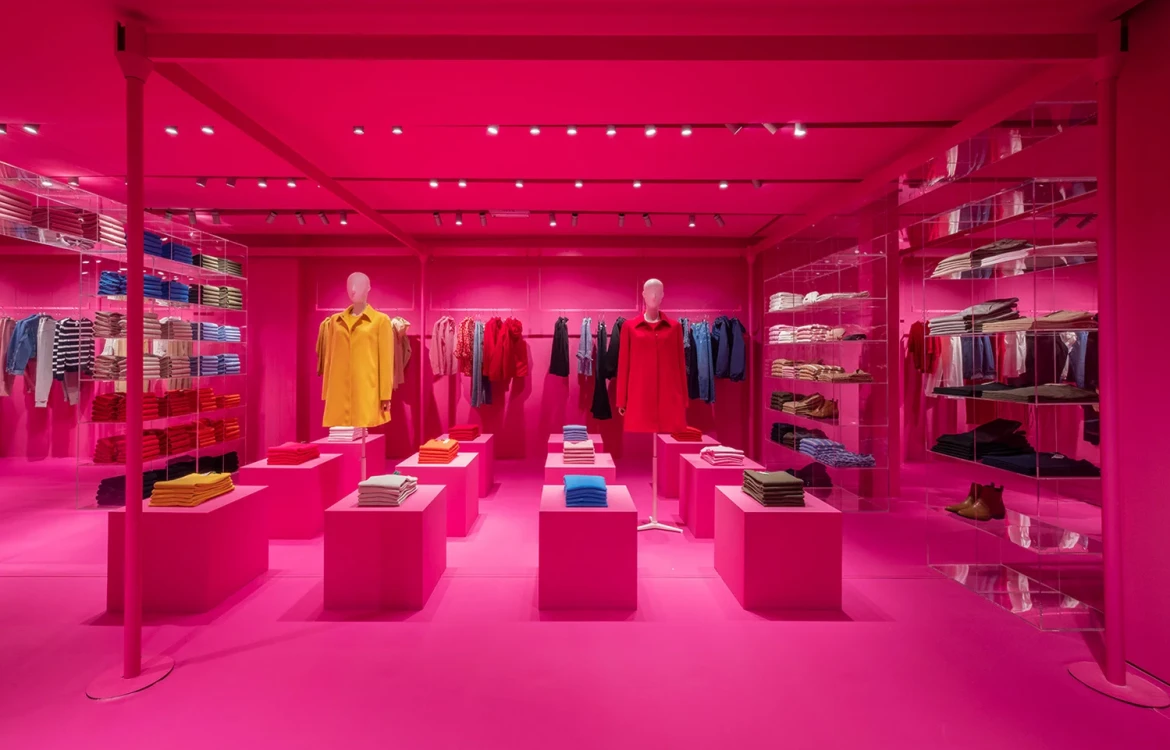
Save this picture!Retail Design in the Metaverse: A New Venture for Architects - Image 5 of 8Mango Teen Store / Masquespacio. Image © Luis Beltran. Image Courtesy of TheArsenale
Samsung has taken a pioneering step by unveiling a virtual replica of their flagship 837 store in New York City within the Decentraland metaverse platform. This initiative underscores how major tech giants are swiftly embracing the metaverse as an innovative commercial frontier. Samsung's virtual 837X store offers an immersive "experiential playground" with multi-zoned attractions and rewards users with exclusive NFTs for completing quests, setting an example for other businesses to follow.

The store's engaging features, such as a resident virtual DJ and raffles for branded avatar accessories, highlight the advantages established brands enjoy in leveraging their resources and brand equity to build a compelling presence within metaverse environments. As an early mover, Samsung's 837X demonstrates how retailers can creatively translate their physical experiences into captivating digital realms.

It's not just technology firms embracing virtual retail spaces, but also iconic fashion brands renowned for their cutting-edge sensibilities. Balenciaga, for instance, made a bold statement by unveiling its collection through an immersive video game experience. Available to fashion enthusiasts at videogame.balenciaga.com, users embark on a journey through a dystopian Balenciaga store setting, ascending to increasingly lush and utopian virtual environments, culminating in a calming breathing exercise. The brand has established a dedicated virtual division "entirely focused on developing products, projects, and experiences designed specifically for the metaverse," signaling a broader strategic shift within the fashion industry towards embracing these emerging digital spaces.
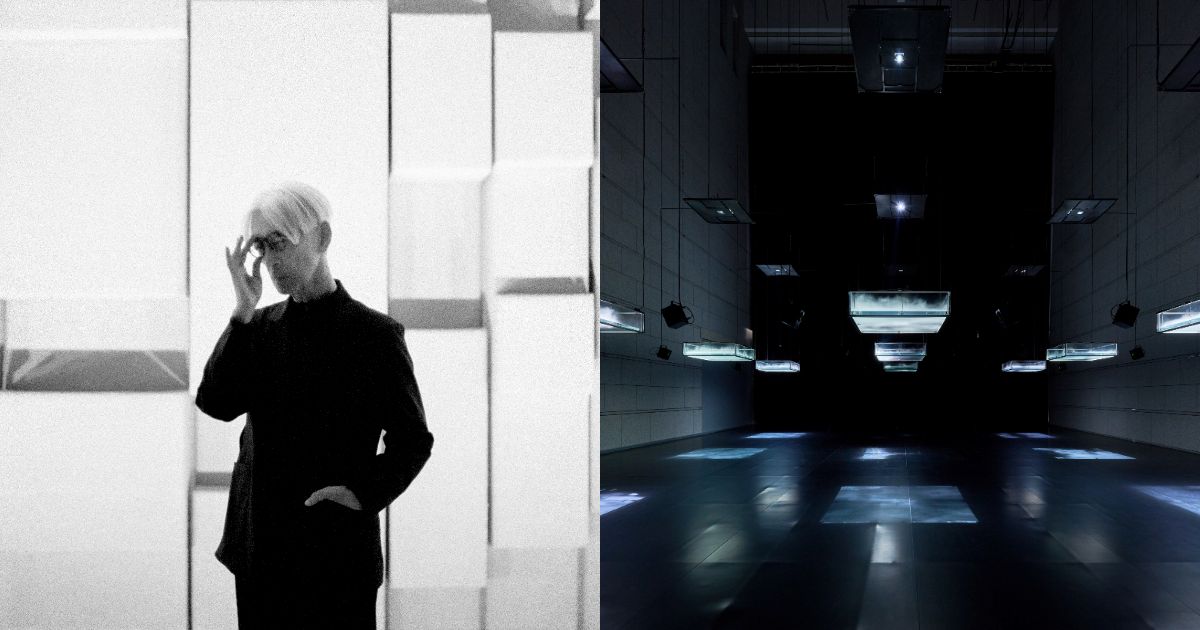
坂本龍一回顧展《觀音.聽時》集結7組大型裝置作品,回望他自2000年代以來的藝術實踐。從聲音、影像到水、霧、電磁波與數位技術,透過與高谷史郎、真鍋大度、阿比查邦等人跨域合作,探索聲音、時間與感知的邊界

破繭、浴火,然後我們重生 Break, Burn, Reborn 萬物皆有生滅,品牌、文化與創作亦然。當熟悉的運作模式走到盡頭,前方的路看似已被堵死,卻可能藏有翻轉命運的機會牌。 重獲新生的背後,多半伴隨著一段難以言說的「瀕死經驗」。那或許是老字號面臨時代洪流的存亡關頭、是在地文化逐漸失傳的靜默危機,又或是創作者在人生中途撞上的無形高牆。當「不甘願於此止步」的強烈渴望破土而出,面對絕境的覺醒,便成
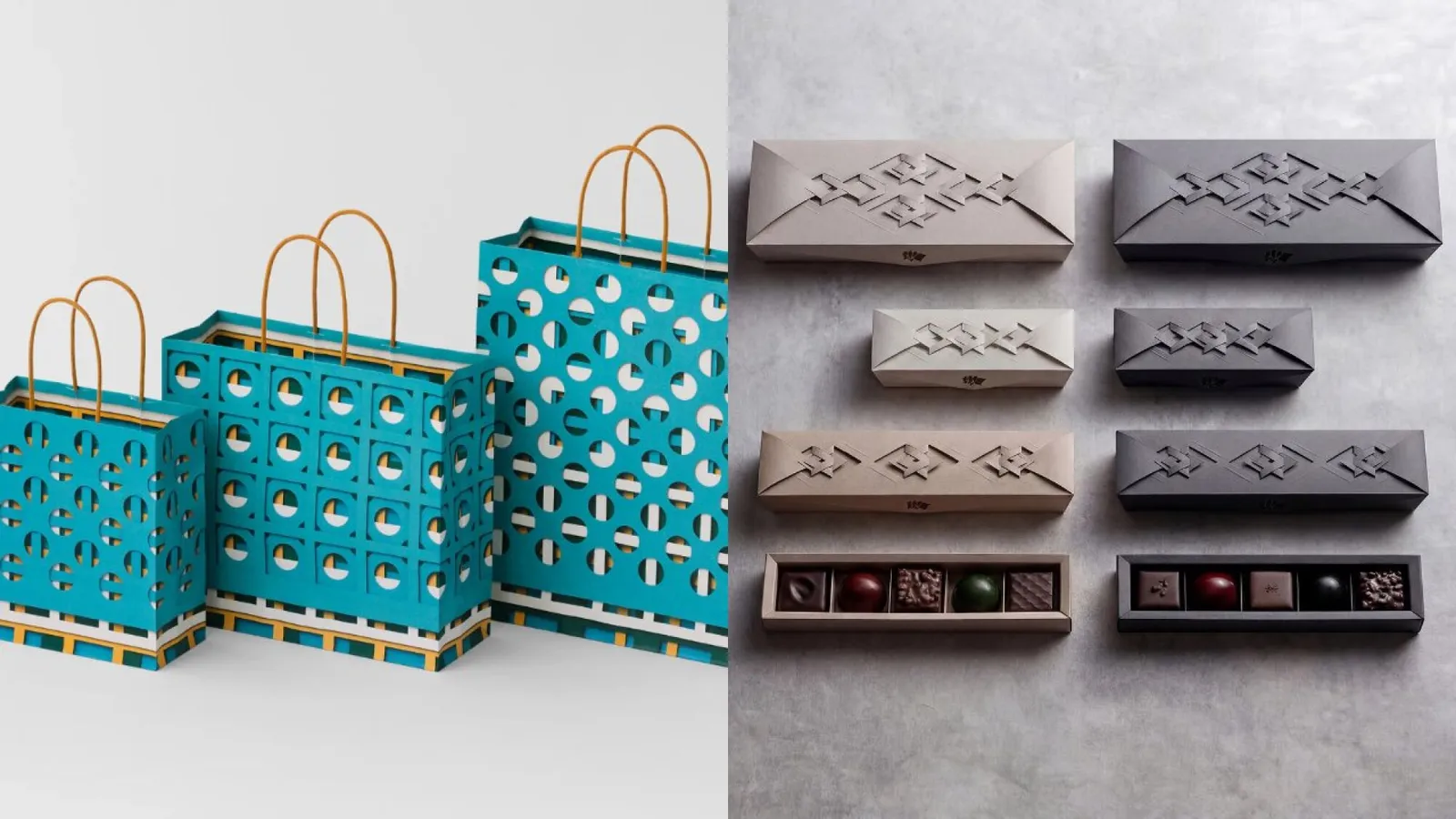
2027 日本包裝設計大賞公布!從老字號百貨購物袋到牛奶糖貓咪包裝,精選 7 件得獎作品,看設計如何運用紙藝、材質與結構,為日常包裝創造新意。
